
The Dreyfus Family Campaign
An Officer and a SpyThis thread follows the family’s efforts to keep Alfred Dreyfus alive, challenge his conviction, and force public attention back onto a case the state wants forgotten.
increasing Bearing strength in each event
 decreasing
Bearing strength in each eventdecreasingLucie’s Letters
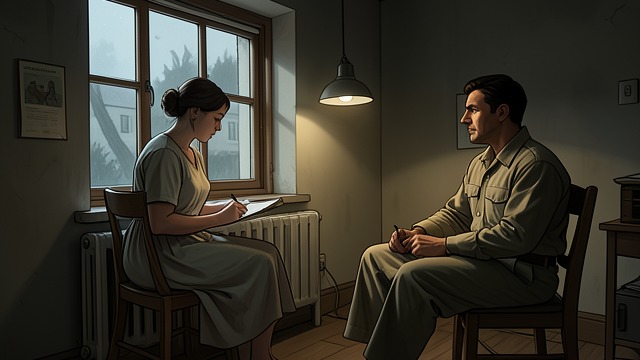
Lucie’s Letters
Love under censorship
Lucie Dreyfus writes to her imprisoned husband, urging him to live and promising a joint struggle to find the guilty person. Officials copy, delay, and censor their correspondence.
Private endurance
The letters preserve a human relationship that the state’s procedures try to reduce to a security problem. Their emotional persistence sustains Dreyfus through isolation.
Mathieu’s Campaign

Mathieu’s Campaign
The brother acts
Mathieu Dreyfus moves to Paris to seek help for Alfred. He approaches influential people and pursues information about the secret evidence used at trial.
A difficult public argument
The family must work against official denials, anti-Semitic suspicion, and the assumption that a military conviction is final. Mathieu turns private loyalty into organized advocacy.
A Pamphlet and a Petition
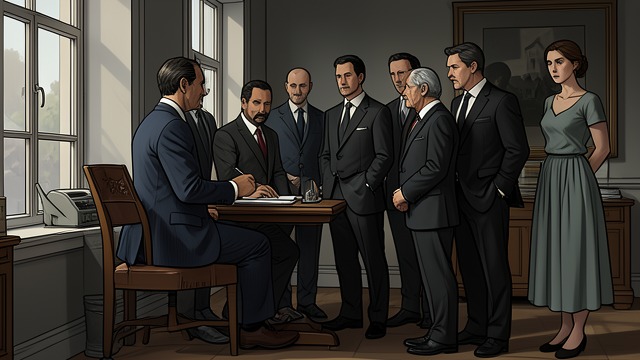
A Pamphlet and a Petition
Advocacy grows public
Bernard Lazare writes in defense of Alfred Dreyfus, while Lucie appeals to the Chamber of Deputies over the use of evidence her husband could not see.
The state faces a choice
The family’s campaign draws attention to the procedural injustice without yet overcoming military resistance. Public pressure grows because the authorities continue to avoid a substantive answer.
Naming Esterhazy

Naming Esterhazy
A direct accusation
Mathieu Dreyfus publicly names Charles Ferdinand Walsin Esterhazy as the real author of the bordereau. He asks the government to investigate rather than merely defend its earlier conclusion.
An attack on the accuser
The accusation triggers Esterhazy’s counterclaims and a military inquiry into Georges Picquart. The family gains public attention but also faces a more aggressive effort to discredit its allies.
Choosing the Pardon
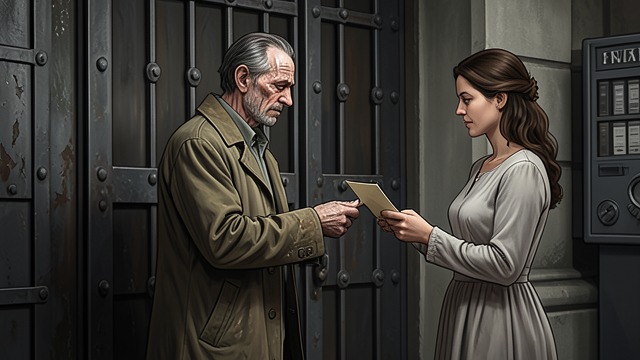
Choosing the Pardon
Survival over vindication
With Alfred Dreyfus seriously ill after the Rennes verdict, Mathieu and the family accept a pardon. The decision releases him from prison but leaves the conviction formally standing.
A painful compromise
Georges Picquart opposes the move because it risks implying guilt. He nevertheless understands why the family chooses life over a martyrdom that may never produce justice.
December 1894–1895
Early 1895
1897–1898
November 1897
September 1899
